Can You Play Bass With a Guitar Amp? Everything You Need to Know
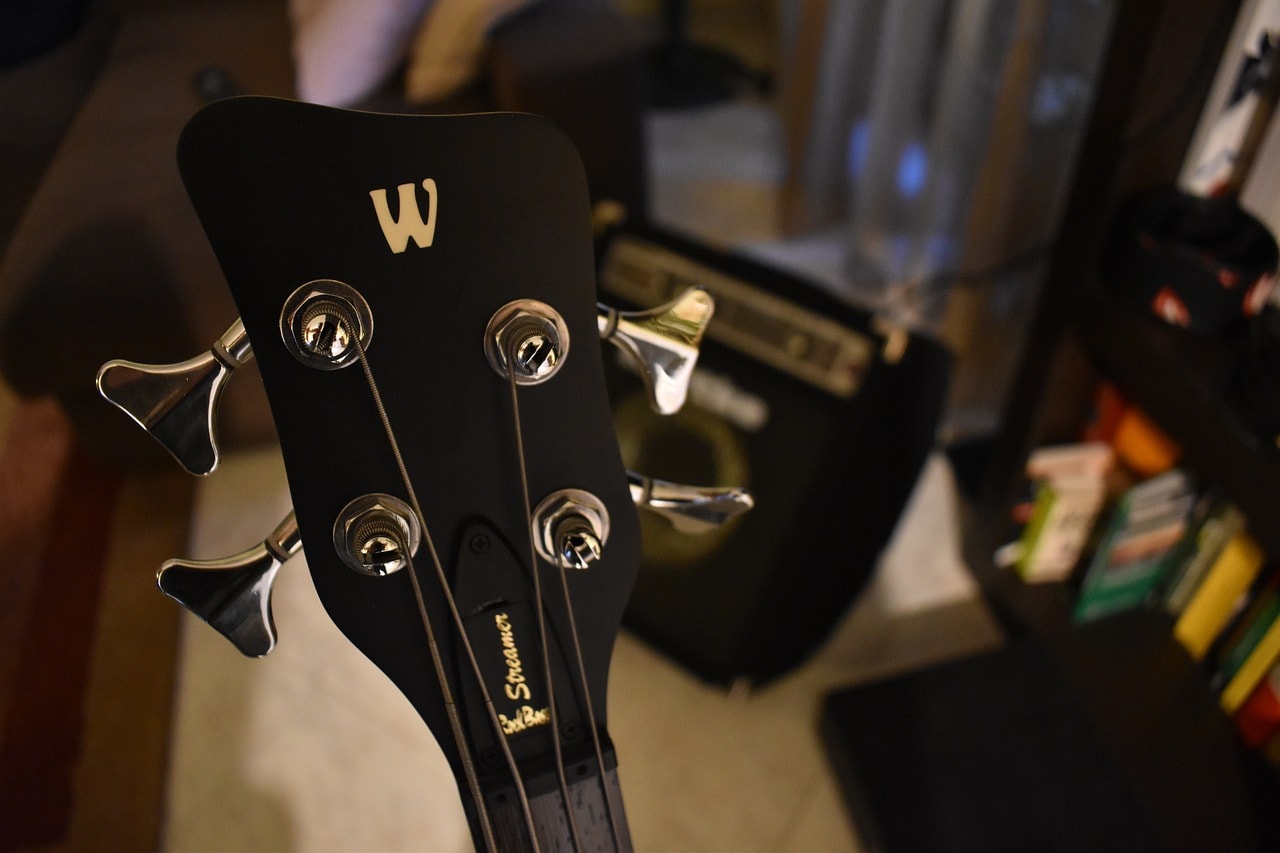
Can You Plug a Bass Into a Guitar Amp
A bassist’s dream is to get their hands on a killer guitar amp and unleash mind-blowing low-frequency tones. But can you really plug a bass into a guitar amp? Let’s find out!
Differences Between a Bass Amp and a Guitar Amp. Before we dive into the specifics, it’s important to understand that bass amps and guitar amps have some key differences. Bass amps are specifically designed to handle the lower frequencies produced by the bass guitar, whereas guitar amps are optimized for the mid-range and higher frequencies of guitars. This difference in design impacts factors like wattage, speaker size, and tone shaping controls.
How It Impacts Your Sound. Plugging your bass directly into a guitar amp may not give you optimum results. Since guitar amps aren’t built to handle the deeper tones of a bass, you might experience issues like muddy or distorted sound, speaker damage, or even blown fuses. However, experimenting with different settings and techniques can still yield interesting and unique sounds.
Now that we’ve covered the basics, let’s move on to exploring how a bass sounds through a guitar amp!
Differences Between a Bass Amp and a Guitar Amp
Bass amps and guitar amps may appear similar, but there are some key differences to consider. These distinctions determine how each amp produces and handles sound, making them optimized for their respective instruments.
One significant difference is the frequency response. Bass frequencies are lower and require more power to reproduce accurately. As a result, bass amps typically have larger speakers, more wattage, and a broader frequency range compared to guitar amps.
Additionally, the equalization controls (EQ) on a bass amp differ from those on a guitar amp. Bass amps usually include specific EQ adjustments tailored to enhance low-end frequencies and shape the bass tone effectively.
Another noteworthy contrast is the distortion or overdrive capabilities. Guitar amps often emphasize creating distorted tones for rock and blues genres. On the other hand, bass amps prioritize maintaining low-end clarity even at higher volumes.
Understanding these divergences helps you choose the appropriate amp for your instrument of choice. Whether you’re playing bass or guitar, it’s vital to select an amp that suits your specific needs in terms of power handling, tonal range, EQ options, and desired level of distortion or clean sound.
How to Tell a Bass Amp From a Guitar Amp
When it comes to telling apart a bass amp from a guitar amp, there are a few key things to keep in mind. First and foremost is the frequency response. Bass guitars produce low-frequency tones, so a bass amp is made to handle these lower frequencies better. On the flip side, guitar amps are designed to optimize mid-range and high-frequency tones.
Another important distinction lies in the speaker size. Bass amps typically boast larger speakers or even multiple speakers to accurately reproduce those deep bass notes, while guitar amps often sport smaller speakers for a brighter sound.
Furthermore, you can easily recognize a bass amp by examining its controls. A typical bass amp will have controls like gain, bass, middle, treble, and volume. These give you greater control over shaping the lower end of the frequency spectrum.
Lastly, take note of an amplifier’s wattage rating. Bass amps tend to pack more power than guitar amps in order to handle those low-frequency tones with clarity.
Understanding these differences between bass and guitar amps will assist you in selecting the right gear based on your specific musical needs and ensuring optimal sound quality for both instruments
How a Bass Sounds Through a Guitar Amp
When you plug a bass into a guitar amp, it’s crucial to grasp how this impacts the sound I’m producing. Let me explain the variations in tone and quality that can occur based on the specific amp and settings I choose.
1. Frequency Range: You see, guitar amps are primarily built to handle the frequency range of a guitar, which typically falls between 82 Hz to 1 kHz. On the contrary, bass guitars produce much lower frequencies that can plummet as low as 41 Hz or go even lower! This means that when I play my bass through a guitar amp, some of those deep bass frequencies might not be accurately reproduced. The consequence? A thinner, less powerful sound overall.
2. Lack of Low-End Response: Here’s another thing to keep in mind: guitar amps aren’t optimized to flawlessly reproduce those low-end frequencies essential for my bass notes. As a result, my bass might lack depth and clarity when played through a regular guitar amp. Subharmonic frequencies—those delightful rumbling vibrations—may be missing or significantly reduced, which could make my sound feel weak and lacking that punchy energy I adore.
3. Potential Speaker Damage: Now let’s talk about power requirements. Bass guitars demand more power compared to electric guitars because they’re tuned lower and use thicker strings. So if I push my bass too hard through a guitar amp, there’s a chance I could overload and damage the speakers—something no musician wants to deal with!
While it may be feasible to use a guitar amp for my bass in certain situations, understanding these factors is crucial so that I can adjust my expectations accordingly. For the optimal sound experience, most experts recommend investing in a dedicated bass amplifier designed specifically to handle all the unique characteristics of those beloved bass frequencies.
Guitar Amps That Work With Bass
Not all amps are created equal when it comes to playing bass with a guitar amp. While experts generally recommend using a dedicated bass amplifier for the best sound quality and performance, there are some guitar amps that actually work well with bass guitars too.
One option you have is to use a bass guitar amp combo, which conveniently combines both the amplifier and speaker in a single unit. These impressive devices are specifically designed to handle the lower frequencies produced by bass guitars, allowing you to achieve a more balanced and powerful sound.
Alternatively, you can try using a bass guitar amp head along with an appropriate speaker cabinet. This setup gives you more flexibility as it allows you to customize your tone by choosing different speakers and cabinets that match your preferences.
Of course, while using a dedicated bass guitar amplifier is usually the preferred choice, experimenting with different options can lead to interesting results. Just remember to pay attention to your bass guitar amp settings and avoid pushing the amp beyond its limits in terms of wattage.
To wrap it all up, it’s definitely possible to use certain types of guitar amps for playing bass, but it’s crucial to understand their limitations and ensure they are capable of handling the low frequencies that come from those powerful bass guitars.
How to Use a Guitar Amp With Bass
Before you start using a guitar amp with bass, there are a few important things to keep in mind. While it is possible to use a guitar amp for bass, there are some key considerations to ensure optimal results. Let’s explore how you can effectively use a guitar amp with bass.
1. Be Mindful of Wattage: One of the most crucial factors when using a guitar amp for bass is wattage. Bass guitars typically require more power due to their lower frequencies. Make sure the wattage of the guitar amp you choose can handle the output of your bass without distortion or damage.
2. Adjust Your EQ Settings: Guitar amps often have different tone shaping controls compared to dedicated bass amps. Experiment with your guitar amp’s EQ settings to find an optimal balance that suits your playing style and desired sound.
3. Utilize Effects Pedals: To enhance your bass sound through a guitar amp, consider incorporating effects pedals designed specifically for bass guitars. These pedals can help shape your tone and add depth and texture to your sound.
4. Be Aware of Volume Levels: When playing bass through a guitar amp, be mindful of volume levels. Bass frequencies can easily overpower standard guitar speakers, leading to distorted or damaged sound reproduction. Start at lower volumes and gradually increase until you achieve the desired sound without causing any harm.
Remember, while using a guitar amp with bass can be convenient in certain situations, it’s always recommended to use a dedicated bass amplifier for optimal performance and sound quality.
Play Bass Through Your Computer
If you’re looking for a convenient and versatile way to play bass without needing a dedicated amp, playing through your computer may be the perfect solution. With the right setup, you can use your computer as an amplifier for your bass guitar. This option allows you to experiment with different tones and effects using software programs designed specifically for bass guitar.
To get started, you’ll need an audio interface that connects your bass guitar to your computer. These interfaces typically have inputs for instrument cables and USB connections to link up with your computer’s audio software. Once connected, you can use digital audio workstations (DAWs) or amp simulators to recreate the sound of various bass amps.
Amp simulator plugins offer a wide range of virtual amplifiers and speaker cabinets, allowing you to customize your tone according to your preferences. Additionally, these plugins often provide effects pedals like distortion, compression, and modulation options to further shape your sound.
Playing bass through your computer gives you the flexibility to record tracks or even perform live using specialized software such as Ableton Live or Propellerhead Reason. It’s also an excellent way to practice silently if noise is a concern.
While playing through a dedicated bass amplifier is ideal in many situations, exploring the world of computer-based setups opens up new possibilities for creativity and experimentation. So why limit yourself when there’s a whole realm of sonic exploration waiting at your fingertips?
FAQ
Conclusion
In my humble opinion, I have found that using a guitar amp to play bass is technically feasible, but falls short of the ideal setup. You see, bass amps are specially crafted to handle those captivating low frequencies produced by the bass guitar and provide the necessary power and headroom for an astonishing performance. Unfortunately, utilizing a guitar amp for your bass can lead to a somewhat lackluster tone, with a hint of distortion and potentially even harm your precious equipment.
To guarantee an unparalleled performance and exceptional sound quality, it is strongly recommended that you invest in a dedicated bass amplifier that aligns perfectly with the wattage requirements of your beloved bass guitar. This wise decision will not only grant you improved clarity and definition in your playing, but it will also shield your cherished gear from unnecessary strain.
Please bear in mind that investing in an appropriate bass amp will truly unleash the full depth and richness your bass guitar is capable of producing, ultimately enhancing your musical experience on a whole other level. So, be sure to make a wise choice when selecting your amplifier and let the music rock on!
Can you play bass with a guitar amp?
Yes, you can play bass with a guitar amp. However, there are a few things to consider before doing so.
Can you plug a bass into a guitar amp?
Yes, you can plug a bass into a guitar amp. However, there are some limitations and potential risks.
What are the differences between a bass amp and a guitar amp?
Bass amps and guitar amps are designed to amplify different frequencies and produce different tones. Bass amps are specifically designed to handle the low frequencies produced by a bass guitar.
How can you tell a bass amp from a guitar amp?
You can typically tell a bass amp from a guitar amp by looking at the speaker size and cabinet design. Bass amps usually have larger speakers and cabinets to handle the low-frequency sound waves.
How does a bass sound through a guitar amp?
When you play a bass through a guitar amp, it may not sound as good as it would through a dedicated bass amp. The lower frequencies may not be accurately reproduced, leading to a thin or distorted tone.
Are there any guitar amps that work well with bass?
Yes, there are some guitar amps that can work well with bass guitars. Look for amps that have a full-range speaker or models specifically designed for both guitar and bass.
How can you use a guitar amp with a bass?
If you want to use a guitar amp with a bass, you can try different techniques like adjusting the EQ settings, using pedals or effects, and being mindful of the volume to avoid damaging the amp.
Can you play bass through your computer?
Yes, you can play bass through your computer. There are software and interfaces available that allow you to connect your bass to your computer for recording or practicing.